
News

 overloaded-panel-min.jpg (56.3 KB)
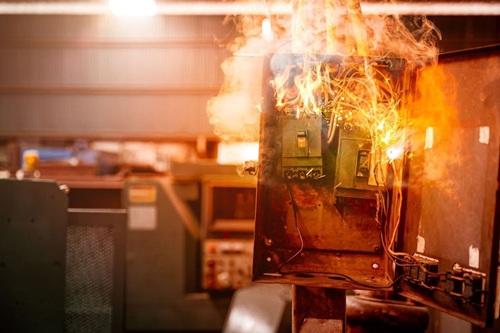
NWK99 OPP is not a discretionary purchase; it is a control measure that directly reduces the probability of electrical failure, fire, and unplanned outages in live systems. Procurement should treat it as a critical safety asset, not as a standard consumable.
Why action is required now
Every cleaning operation on energized or high‑value electrical assets currently performed with generic solvents or improvised methods carries avoidable risk of flashover, tracking, and ignition.
NWK99 OPP provides a tested dielectric breakdown performance near 99,300 V, with 100% non‑conductive behavior under standard insulating‑oil test conditions, closing a known risk gap in live‑equipment maintenance.
The product’s flash point of 89 °C significantly reduces the likelihood of ignition at typical panel and transformer surface temperatures, compared with many fast‑evaporating industrial solvents.
Residue‑free, non‑corrosive drying (30–40 minutes) means each cleaning cycle actively restores insulation resistance instead of leaving unknown films that may later initiate tracking or leakage currents.
Immediate “Safety First” procurement mandate
Procurement teams should:
Prioritize NWK99 OPP as the standard cleaning medium for all live‑system and critical‑asset electrical maintenance within its rated voltage and application envelope.
Phase out non‑certified or multi‑purpose solvents from energized work procedures, as they lack equivalent dielectric testing and flash‑point performance.
Require maintenance contractors to specify NWK99 OPP (or documented equivalent dielectric‑strength and low‑flammability cleaner) in tenders and method statements.
Embed NWK99 OPP in site standards, job plans, and lock‑out/energized‑work instructions, using its 30–40 minute evaporation interval as a defined safety check step.
Consequences of inaction
If procurement delays adoption:
Live cleaning will continue with products that lack verified dielectric strength, keeping the risk of flashover and insulation breakdown unacceptably high.
Flammable, low‑flash‑point solvents may remain in electrical rooms, sustaining the potential for ignition from arcing or hot surfaces.
Long‑term degradation from corrosive or residue‑forming cleaners will remain a hidden failure mode, manifesting later as outages, arc‑fault events, or costly asset replacement.
For a “Safety First” organization, maintaining the status quo is a decision to retain known, controllable risk. Moving NWK99 OPP into the approved, stocked, and mandated product list is an urgent corrective action that directly aligns procurement with electrical safety governance.
- Next
- No next article.