
News
What Makes NWK99 Live Cleaner Innovative?

 WhatsApp Image 2026-02-24 at 06.12.22 (4).jpeg (24.4 KB)
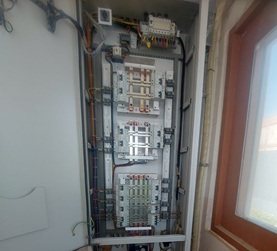
NWK99 OPP is an electrical and electronic cleaner for energized equipment (panels, transformers, control gear).
It removes dust, oil, and moisture, carries contaminants away with the liquid, then evaporates without leaving conductive residue.
Dielectric strength / non‑conductivity
100% electrically non‑conductive for live electrical and electronic components.
Dielectric‑tested up to at least 35 kV (IEC 60156:2008), suitable for high‑voltage use when applied as directed.
Helps maintain insulation withstand by removing conductive contaminants and not leaving a conductive film.
Specified spray pressures are intended not to disturb terminations or cables, lowering flashover risk from mechanical stress.
Flammability and fire risk
Electrically non‑conductive but has a flash point, so it must be managed as a flammable liquid, unlike non‑flammable NWK99.
Aerosol formats are classified as “extremely flammable aerosol” and can rupture when heated and release flammable vapors.
Fire measures: use water spray, dry powder, or CO₂; prevent vapor build‑up in confined spaces; protect from sunlight and high temperatures in storage.
Overall: strong electrical safety benefits, but requires strict control of ignition sources and storage conditions.
Evaporation and residue
Typical natural evaporation: about 30–40 minutes under normal ambient conditions.
During drying, it transports dust, oils, and moisture away from interfaces, then evaporates without conductive or corrosive residue.
Clean, residue‑free surfaces help restore insulation performance and reduce tracking or partial‑discharge pathways.
Evaporation rates (bullet):
30–40 minutes per area, depending on ventilation and film thickness.
Liquid‑air spray and optional dry compressed air can shorten drying time.
After drying, no intentional conductive or corrosive film remains; contaminants settle with spent liquid.
Compliance and test references
IEC 60156:2008 dielectric test methodology, with approvals reported up to 35 kV for NWK products.
Registered MSDS/SDS in relevant markets (e.g., SIRIM‑linked certification where applicable).
OEM and local‑body approvals for use on panels, controllers, and precision instruments in live‑maintenance work.
Procurement should obtain region‑specific SDS, dielectric reports, and certificates of conformity to verify alignment with OSHA/GHS, REACH, and local fire codes.
Safety‑first procurement rationale
Electrical risk reduction
Non‑conductive formulation and proven dielectric strength lower the likelihood of short circuit, arcing, or flashover during live cleaning vs. aqueous or semi‑conductive cleaners.
Removal of dust, oil, and moisture targets key causes of creepage tracking and insulation breakdown in MV/LV equipment.
No‑downtime maintenance
Enables cleaning of energized panels and transformers where shutdown is constrained (oil & gas, continuous process plants, power generation).
Regular live cleaning reduces buildup of conductive or flammable dust, decreasing long‑term fire and failure probability.
Defined chemical‑safety envelope
Known flash‑point and aerosol classification allow clear engineering controls (ignition‑source control, ventilation, temperature‑controlled storage).
PPE and handling (chemical‑resistant gloves, eye/face protection, anti‑static clothing) can be directly implemented from the SDS.
Traceability and audit support
Dielectric data, SDS, and standards references provide documentation for internal safety committees and regulators.
For procurement, NWK99 OPP is justified where the priority is maintaining electrical reliability and worker safety during live maintenance, provided that flammability controls and SDS‑based procedures are embedded in work instructions and contractor requirements.
#nwk99opp #electricalcleaner #electrician